

Where the Egyptian Geological Museum Is
The Egyptian Geological Museum is in Zahraa El Maadi, at its current site in Athar El-Nabi on the Nile Corniche in Cairo. From Amarante Pyramids Hotel, it’s about a 25-minute drive, giving you a simple travel-time reference when planning a visit from your base.
The museum’s location today reflects a major change in its history. It originally occupied a Greco-Roman-style building in the Ministry of Public Works Garden. In 1982, that building was demolished to make way for the Cairo Metro, and the collections moved to Athar El-Nabi on the Nile Corniche.
Museum Status and Visitor Access
The Egyptian Geological Museum operates under the Egyptian General Authority for Mineral Resources, formerly the Geological Survey of Egypt. The museum’s information describes its history, collections, research, library and laboratories, but does not publish visitor opening hours, entry fees, booking requirements or public-transport directions.
That distinction matters when you plan a visit: research facilities and a public collection are not necessarily subject to the same access arrangements.
The library is described as accessible to the public and researchers, but the available information does not set out separate access procedures for it or the laboratories. For practical planning, use the visitor details below as guidance rather than as confirmed museum-authority information.
Opening Hours and Entry Information
A Cairo visitor-information listing gives visiting hours as 9:00 a.m. to 3:00 p.m. and says tickets are purchased at the ticket window. The museum authority’s information page does not confirm those hours or provide ticket prices, booking requirements or other entry details. Check the official site before you go.
The same visitor listing recommends allowing one to two hours, although the museum authority does not publish a suggested visit duration. That gives you a rough planning window, not an official visit time. The listing also says flash photography is not permitted and visitors must not touch exhibits.
It reports that the museum is not equipped for wheelchair access, with stairs and mobility difficulties in its older buildings. It also says large bags, food and pets are not permitted inside. Since these restrictions and access details come from a visitor listing rather than the museum authority’s information page, confirm current arrangements before setting out.
Getting to the Museum
The museum’s published information does not give public-transport directions. If you’re arranging a car journey, use its location in Athar El-Nabi on the Nile Corniche as the destination, then confirm the route and the museum entrance before travelling.
The visitor information available here does not identify a particular station, bus route or transfer option, so there isn’t a verified public-transport itinerary to follow.
Allow time for the journey as well as the visit itself. If you’re coordinating transport with the listed 9:00 a.m. to 3:00 p.m. visiting window, remember that those hours are reported by a visitor-information listing and are not confirmed by the museum authority. Check current access details before building the rest of your day around them.
What the Museum Covers
The Egyptian Geological Survey was created in 1896 by order of Khedive Ismail, and the museum was established in 1901. Its first displayed specimens were vertebrate-mammal fossils collected in Fayoum in 1898. They were sent to England in 1899 for identification and study, then returned to Egypt.
The museum opened to the public on December 1, 1904, in the building in the Ministry of Public Works Garden. The museum describes itself as the first of its kind in the Middle East, the Arab world and Africa.
The Minerals and Rocks Hall brings together minerals and ores from Egypt alongside gemstones and amber. It also includes crafted shells associated with the former royal family, as well as natural and synthetic ruby and sapphire collections. The range offers a look at both geological materials and objects made from them.
Fossils are another central part of the collection. The museum holds vertebrate fossils, including a complete whale skeleton of the same species discovered by Beadnell in 1901. Its broader paleontological work includes studies of vertebrate and invertebrate fossils.
A meteorite in the collection fell at Nakhl village in Beheira Governorate in 1908. The authority identifies it as originating from Mars and says it is one of 33 Martian meteorites known worldwide.
The museum also supports study beyond its displays. Its library holds references dating back to 1778, as well as modern publications and bibliographies, and is described as accessible to the public and researchers.
Six departments and several specialized laboratories cover mineralogical, petrological and paleontological studies. The authority describes the vertebrate paleontology laboratory as rare and unique in the Arab region.
Pairing the Visit with Nearby Sights
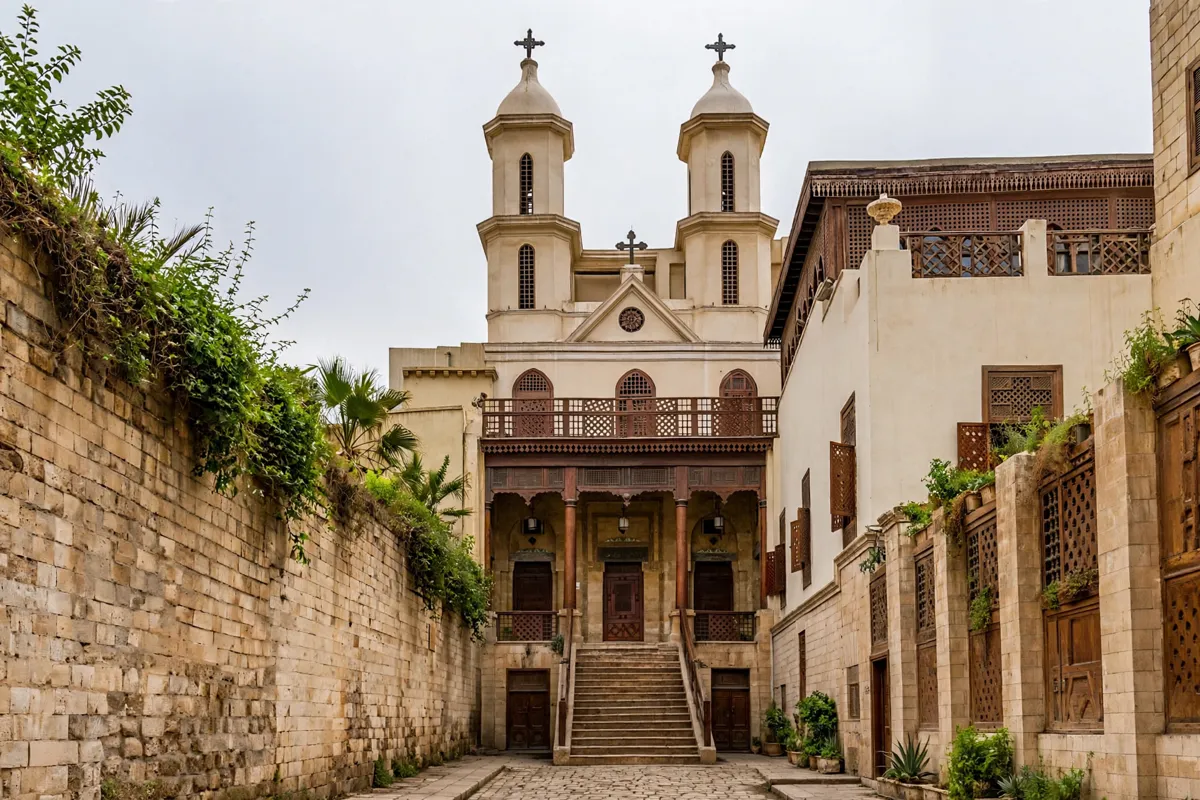
If you’re planning a separate stop in Coptic Cairo, read this guide to visiting the Hanging Church. It covers a different part of the city, and the available facts don’t give a travel time between the church and the museum. Check the route before deciding how to order the stops.
For another Cairo-area outing, the Cairo University visitor guide covers campus visits and nearby transport. No travel time between the university and the museum is provided, so treat it as a separate planning point rather than assuming the two stops are close together.